Leapfrogging the category leaders in AI search.
GoFreight had an extensive content library, but much of it addressed a broad supply chain audience instead of its ideal customers, freight forwarders. We mined its CRM and sales-call data to refocus the site on the buyers who matter, and protected its search equity through three site migrations. GoFreight became the brand AI assistants name first among the eight vendors tracked, ahead of rivals with greater market share and brand awareness.
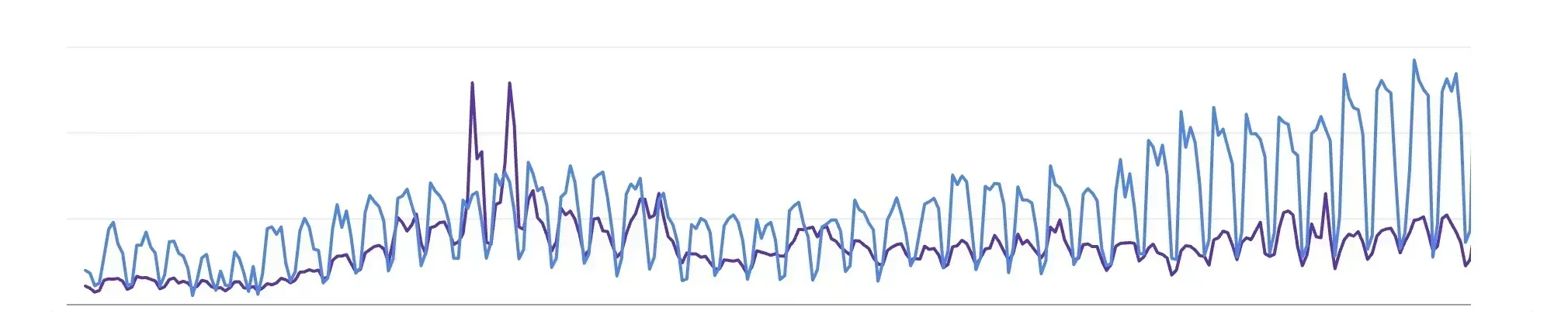
Plenty of website traffic, too few real buyers
Traffic only matters if the readers could become customers. A page written for everyone in logistics ranks for searches made by people who will never buy forwarding software.
A large library of articles and a glossary, heavy on keywords and aimed at several audiences at once.
CRM and sales calls showed four buyer segments, from growing forwarders replacing spreadsheets to enterprises leaving legacy platforms. Each asked different questions. Few pages spoke to any of them.
A site rebuild was underway. The older pages carried search history that new pages would take months to earn.
SEO and AEO interventions
We did not chase high-volume logistics keywords that bring readers outside the buyer profile. We did not delete the old pages: their search history was redirected into the new structure.
Protected search equity through the rebuild
How we did it
When GoFreight rebuilt its website, years of older pages were set to disappear, and the Google rankings they had earned would have gone with them. We pointed each old page to its closest new equivalent so that search value carried over, and gathered scattered definition articles into one glossary that Google and AI assistants now draw on as a reference. When the help centre moved to a new platform, we found technical faults that were sending Google's crawlers into dead ends, and GoFreight's team fixed them to our specification.
TacticsRebuilt the content structure around four buyer segments
How we did it
The starting point was who actually buys. We studied GoFreight's CRM, recordings of its sales calls and the deals it had won, and found four distinct kinds of buyer, each with its own reasons for switching software. We then reorganised the site so each buyer finds the right page at every step: product pages to evaluate, comparison pages to shortlist, and a glossary for the basics.
TacticsAligned the brand entity with GoFreight's growth strategy
How we did it
We deployed our AI intelligence system across GoFreight's on-page and off-page footprint (its own site, review sites, forums and AI answers) to map how the brand is perceived and discussed against where the company intends to go. From that gap we built a narrative strategy with a GEO lens, deciding which claims to reinforce and which contradictions to correct, then published content that gives AI engines the version of GoFreight its strategy calls for. The pages that already win its core customers were left untouched.
Tactics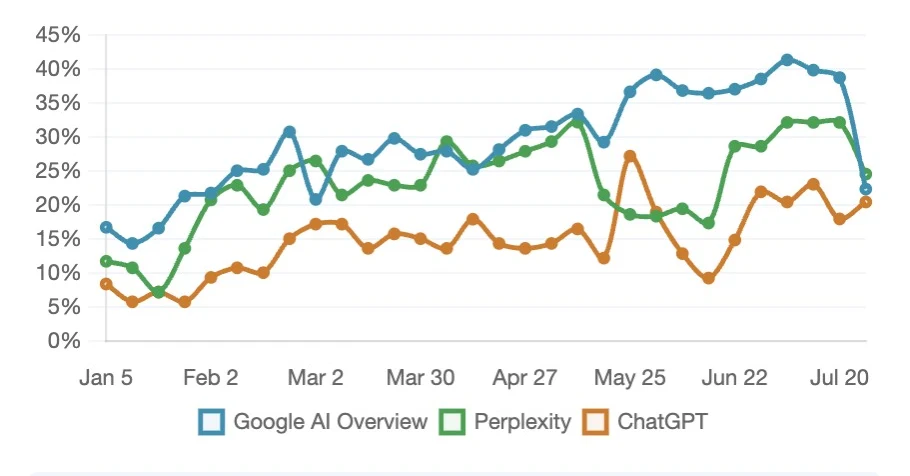
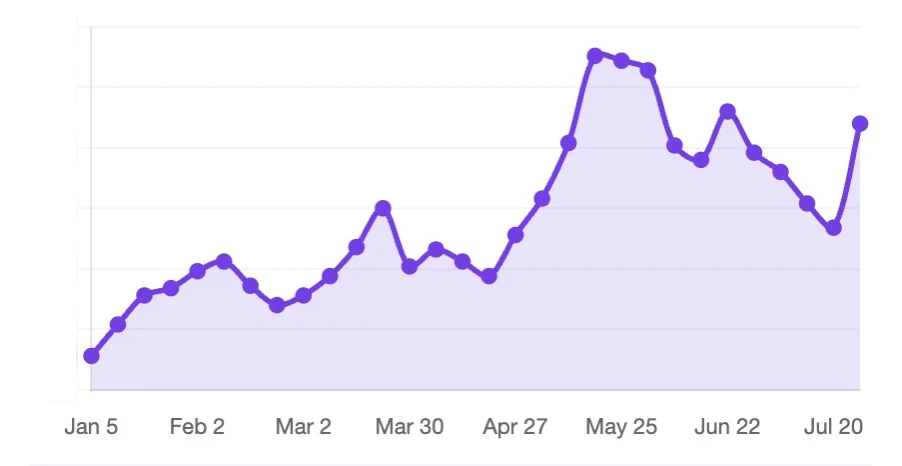
These results reflect the combined engagement, including changes implemented by GoFreight's team.
Sources and periods (LY = last year, CY = current year): Google Search Console, www and root domain combined (clicks Nov LY to Aug CY; position Nov LY to Sep CY); GA4 (AI-referred visits Nov LY to Sep CY); Novastacks AI answer tracking across a fixed set of buying prompts (Jan to Sep CY).
Content written for every audience ranks for queries no buyer types. Start from who signs the contract, map the jobs they need done, then build the site around them.